Showing posts with label CEO. Show all posts

Tuesday, September 15, 2020

Arthur Mathisen, President, Memorial Hospital


Today’s guest is Art Mathisen, the President of Memorial Hospital in North Conway, New Hampshire. Memorial Hospital is part of the MaineHealth system, the largest integrated healthcare system in Maine. Memorial Hospital is the only member hospital not located in Maine. Art had a first career in the US Army as a Medical Service Corps officer, and retired after twenty years as a lieutenant colonel. In this podcast we talk about his military career, his transition to civilian leadership, and his experiences with Bon Secours Health System in Virginia, his time as CEO of Copley Hospital in Vermont, and his leadership at Memorial Hospital, and what it is like leading a critical access hospital that is part of a larger healthcare system.

Links to the Podcast: 

Anchor:  

Saturday, June 15, 2019

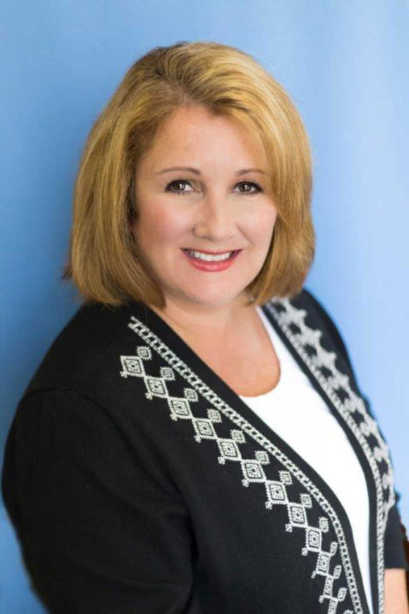
Marie Vienneau, FACHE, President & CEO, Mayo Hospital


Today’s guest is Marie Vienneau, the President and CEO of Mayo Hospital in Dover Foxcroft, Maine. Mayo Hospital is a critical access hospital in rural central Maine. Mayo Hospital is the primary hospital for the 17,000 residents of Piscataquis county, spread over a land mass roughly the size of Connecticut.

Prior to coming to Mayo Hospital, Marie worked at Millinocket Regional Hospital, in her home town of Millinocket, Maine, where she rose from staff nurse to President and CEO. During her tenure, like much of rural Maine, the two paper mills that were the economic engines of her community closed down. We talk at length about what it is like leading a non-profit community hospital during a time of economic downturn, and how she led the organization and worked with the community to care for her fellow residents.

Marie has been the President and CEO of Mayo Hospital since 2014. Mayo Hospital has a unique governance structure: it is a quasi-governmental entity governed by a Hospital Administrative District, which I was not familiar with. We discuss how this governance structure is different from the typical non-profit hospital’s governance structure and the challenges of working in this different environment. Mayo Hospital is currently in negotiations to merge with Northern Light Health, formerly the Eastern Maine Health System, one of the three largest health systems in Maine, and we discuss some of the challenges of going through a merger process. We close on a discussion of leadership.

Links to Podcast:

Anchor: 
Full Length:  https://anchor.fm/healthleaderforge/episodes/Marie-Vienneau--President-and-CEO--Mayo-Hospital-full-length-egra8p
Abridged: https://anchor.fm/healthleaderforge/episodes/Marie-Vienneau--President-and-CEO--Mayo-Hospital-abridged-egra5n


Podcast Outline (Applies to Full-Length version)
Time               Topic
0:02:24 Early career in nursing - Boston
0:04:08 returning to Maine - Millinocket Regional Hospital
0:05:38 becoming CNO of Millinocket Regional Hospital at 26
0:06:47 about Millinocket and and the collapse of the paper industry
0:09:40 making the transition from staff nurse to senior leader
0:12:06 advice for making the transition to leader from individual performer
0:14:03 being young in a senior leadership role
0:15:54 transition to CNO/COO
0:16:38 becoming CEO
0:18:31 Millinocket Regional Hospital and the economy
0:21:40 effects of the contracting economy on the hospital
0:23:30 1/3 of the population becoming uninsured in one day
0:29:00 surviving the downturn - loyalty of the medical staff
0:31:07 reflecting on rise from staff nurse to CEO in one organization
0:34:54 importance of having been a clinician and support of the medical staff
0:39:02 CEO is the face of the organization in the community
0:43:14 moving from Millinocket to Mayo Hospital
0:45:49 about Dover Foxcroft, Maine
0:48:39 Mayo Hospital
0:50:12 challenge of maintaining specialties in a small facility
0:53:40 challenges of recruiting physicians to rural hospitals
0:55:01 foreign medical graduate program
0:57:31 reliance on non-physician providers
0:58:28 reliance on telemedicine in the emergency department
1:01:08 telepsychiatry, other telemedicine
1:02:19 Governance - Hospital Administrative District - quasi-governmental district
1:07:08 founding of Mayo Hospital as a Hospital Administrative District
1:08:41 Northern Lights (Eastern Maine) Merger
1:09:50 strategic advantages of the proposed merger
1:13:21 merger must be approved by Maine legislature
1:15:25 lessons from 17 years as a CEO - it's lonely at the top
1:18:13 what keeps her up at night as CEO
1:20:09 leadership philosophy
1:21:56 what she looks for in a leader
1:22:30 advice about worklife balance

1:24:49 why healthcare administration?

Links to Topics discussed

Mayo Hospital

Millinocket Regional Hospital

Northern Light Health


We are now using TinyLetter to send out announcements related to the podcast!

You can subscribe by entering your e-mail address below.

We will send out no more than one e-mail each week.


powered by TinyLetter


follow us on Twitter at @healthlf   https://twitter.com/healthlf


Friday, December 15, 2017

Stephen Kasabian, Chief Administrative Officer, Maine Medical Partners


Today's guest is Stephen Kasabian, Chief Administrative Officer for Maine Medical Partners (MMP) in Portland, Maine. Maine Medical Partners is a large, multi-specialty practice with over 500 physicians and is a subsidiary of Maine Medical Center. Steve was MMP Employee #1, and has overseen the growth of the organization since its inception.

Steve is a graduate of our own HMP program, and in this podcast we trace his career from UNH through to his leadership at MMP. We discuss the challenges and opportunities faced by healthcare organizations, and those in and around southern Maine. We conclude with a discussion about leadership. 

Steve is interviewed by HMP junior Bridgette Carrier and HMP senior Shayna Murphy.


Links to the Podcast
Soundcloud: 
            Full-length: https://soundcloud.com/healthleaderforge/stephen-kasabian-chief-administrative-officer-maine-medical-partners/
 Stitcher: http://www.stitcher.com/podcast/the-health-leader-forge
iTunes: https://itunes.apple.com/us/podcast/healthleaderforge/id981989377 
YouTube: https://youtu.be/jIW8ArQjxvs

Podcast Outline 

Time       Topic
0:01:54 Choosing health management as a major
0:02:44 Internship at Exeter Hospital - the beginning of a career
0:04:56 First job at Goodall Hospital, learning to be a manager
0:08:53 Transition to consulting
0:11:21 key skills - relationship building and listening
0:13:56 what did he enjoy most about consulting
0:15:26 becoming a senior manager and deciding to leave consulting
0:16:27 moving into practice management
0:18:44 comparing practice management to hospital management
0:19:42 Leading a practice merger
0:20:57 the formation of Maine Medical Partners
0:23:30 working with a PHO when the concept was new
0:24:55 employee 1 - starting Maine Health's Medical Service Organization (MSO)
0:27:09 organziation as it was in 1995
0:28:29 building relationships with the physicians
0:29:26 what are the challenges of building a multi-specialty practice
0:30:50 what does it mean to be a multi-specialty group
0:33:21 MMP process for acquiring or opening a practice
0:35:49 challenges of rapid acquisition
0:37:00 hiring a physician president, becoming Chief Administrative Officer (CAO)
0:38:57 being half of a dyad
0:40:20 division of labor in the physician-administrator dyad
0:41:38 pros and cons of dyad leadership
0:42:07 MMP's major services
0:43:50 MMP's current structure
0:46:06 small number of direct reports
0:47:15 longevity of leadership team is a strength
0:48:39 MMP corporate strategy linked to Maine Medical Center
0:51:07 making the jump from individual practice to system level
0:52:37 MMP mission - to care for patients regardless of ability to pay
0:54:34 challenges of recruiting physicians
0:56:01 dealing with an aging population
0:57:45 impact of the ACA - lowering bad debt
0:58:30 impact of not expanding Medicaid
0:59:57 operational excellence, Gemba walks
1:03:40 Gemba walks help with employee engagement
1:04:53 what keeps him up at night - finding the resources to provide the services needed
1:06:34 what are the skills necessary to become a CAO
1:07:32 advice to his 20 year old self
1:08:33 leadership philosophy
1:10:04 the characteristics of a good leader - listening
1:11:09 who inspired his leadership style
1:11:54 a leadership lesson learned the hard way
1:13:56 what to look for when choosing leaders
1:16:21 the common mistakes of junior leaders - impatience
1:17:23 organizational culture
1:18:41 how to shape organizational culture - live it
1:19:56 the role of the mentor
1:22:11 book recommendation for early careerists
1:23:20 advice to early careerists


Topics Discussed:


Goodall Hospital (now SMHC)


We are now using TinyLetter to send out announcements related to the podcast!

You can subscribe by entering your e-mail address below.

We will send out no more than one e-mail each week.


powered by TinyLetter


follow us on Twitter at @healthlf   https://twitter.com/healthlf


Thursday, June 15, 2017

Major General Thomas R. Tempel, Jr., Commanding General of the U.S. Army Regional Health Command – Central


Today’s guest is Major General Thomas R. Tempel, Jr., the Commanding General of the U.S. Army Regional Health Command – Central, and the Chief of the US Army Dental Corps. The Regional Health Command - Central is one of four geographic commands in the US Army Medical Department. The Regional Health Command - Central is the largest geographic command, and covers from Louisiana to Minnesota in the east and Southern California to Idaho in the west. It includes fourteen subordinate commands, including 12 hospitals and outpatient clinics, as well as the Dental Command - Central and the Public Health Command - Central. The Command provides care for more than 440,000 military beneficiaries, and in 2016 delivered 5.8 million clinic visits, 7,600 live births, and 57,000 admissions. 

Major General Tempel is a third generation member of the Army Medical Department. He entered active duty in 1991 as an Army dentist, serving with a variety of operational units including the 1st Special Forces, and commanded the 464th Dental Company while deployed to Iraq in support of Operation Iraqi Freedom. He later served in a series of clinical leadership roles including the Commander of the US Army Dental Command and the Commander of the Western Regional Medical Command before coming to his current role.

I really enjoyed talking with Major General Tempel about his unusual career. We conclude with a brief discussion about his leadership philosophy, but I think you will get a sense of the kind of leader he is throughout the interview.

Links to the Podcast
Soundcloud: 
Edited: https://soundcloud.com/healthleaderforge/mg-thomas-r-tempel-jr-cg-of-the-regional-medical-command-central-1
Full Length: https://soundcloud.com/healthleaderforge/mg-thomas-r-tempel-jr-cg-of-the-regional-medical-command-central 
Stitcher: http://www.stitcher.com/podcast/the-health-leader-forge
iTunes: https://itunes.apple.com/us/podcast/healthleaderforge/id981989377
YouTube: https://youtu.be/Pj7A_9c-k0c

Podcast Outline (applies to full length interview)

Time      Topic
0:02:14 Gettysburg College, pre-dental
0:04:16 being an Army brat, the influence of ROTC on his future
0:07:08 Family history in military medicine
0:08:27 dental school at U of MD
0:09:14 surprises about dental school
0:10:28 establishment of clinician identity
0:11:55 coming on active duty
0:14:48 residency in general dentistry
0:15:56 examples of specialties included in the residency
0:16:30 training and selection for the special forces
0:19:59 selection and Q course
0:21:24 role of the dental surgeon with the Special Forces
0:23:59 leadership lessons from Special Forces experience
0:26:51 unique clinical experiences working with the Special Forces
0:30:16 providing dental support in Iraq during OIF
0:33:10 first experience of command
0:35:53 Command of Ft. Meade DENTAC - transition from operational (TOE) units 
                        to fixed facility (TDA) units
0:38:54 Commander, Northern Regional Dental Command
0:40:49 adjusting leadership for a geographically dispersed organization
0:44:21 Commander, US Army Dental Command
0:46:49 scope of the US Army Dental Command
0:47:35 "Go First Class"
0:52:47 Chief of the Army Dental Corps
0:55:19 what do most people misunderstand about dentistry?
0:57:51 what doe people misunderstand about military dentistry?
0:58:27 Commander, Western Regional Health Command
1:00:12 scope of Central Medical Command
1:03:15 structure of the Central Medical Command headquarters
1:04:52 how does the regional structure add value
1:06:18 role of the Commander
1:06:54 a day in the life of the Commander
1:08:22 most important metrics tracked
1:09:21 what keeps him up at night
1:10:55 what is he most excited about in the future of Army medicine
1:12:18 leadership philosophy
1:15:41 advice for early careerists


Topics Discussed:

Major General Thomas R. Tempel, Jr. Biography

Regional Health Command - Central

Gettysburg College

University of Maryland School of Dentistry

Army Dentistry

US Army Special Forces Training

Ft. Meade DENTAC


We are now using TinyLetter to send out announcements related to the podcast!

You can subscribe by entering your e-mail address below.

We will send out no more than one e-mail each week.


powered by TinyLetter


follow us on Twitter at @healthlf   https://twitter.com/healthlf


Monday, May 15, 2017

Gregory A. White, CPA, CEO of Lamprey Health Care


Today's guest is Gregory A. White, CPA. the CEO of Lamprey Health Care. Lamprey Health Care is a federally qualified health clinic (FQHC) with locations in New Hampshire: Nashua, Raymond, and Newmarket. Federally qualified health clinics are community-based healthcare providers that provide primary care and a range of other services to clients regardless of ability to pay. As a result they are often safety net care providers in a community.

In this podcast Greg tells us about his journey from being an auditor in a public accounting firm to a career in healthcare, coming up through the finance and accounting side of healthcare delivery organizations. One of the unique aspects of Lamprey Health Care is each of its locations are in very different communities.

This podcast was guest-hosted by University of New Hampshire students Regan Judge and Caroline Sweny.


Links to the Podcast
Soundcloud: https://soundcloud.com/healthleaderforge/gregory-a-white-cpa-ceo-of-lamprey-health-care
Stitcher: http://www.stitcher.com/podcast/the-health-leader-forge
iTunes: https://itunes.apple.com/us/podcast/healthleaderforge/id981989377
YouTube: https://youtu.be/aoetUX55Io8
Podcast Outline

Time                Topic
0:01:15 studying accounting at Babson College
0:02:02 becoming a CPA, entering the non-profit sector though auditing
0:04:12 Greater Lawrence Family Health Center
0:06:49 building a Family Medicine residency program within an FQHC
0:10:32 Manchester Community Health Center - benefits of being in a small organization
0:11:57 making the jump to executive ranks
0:13:38 financing growth at a FQHC
0:16:11 Lowell Community Health Center
0:18:17 Lamprey Health Care
0:19:18 mission of Lamprey
0:20:06 making the transition to the CEO role
0:21:51 how did previous roles prepare for CEO role
0:22:28 Lamprey senior leadership team
0:23:02 what is the workplace culture like at Lamprey
0:24:07 metrics used to evaluate the health of the organization
0:26:11 what external issues does he track
0:30:16 moving toward population health and the opioid crisis
0:32:05 what is the role of the board of Lamprey Health Care
0:32:53 strategic planning
0:34:27 motivating employees
0:35:40 most important thing learned from role of CEO
0:36:31 what was most surprising about the role of CEO
0:37:36 what keeps him up at night
0:38:13 what is the thing people outside of healthcare least understand about FQHCs
0:39:03 making the transition from a large town like Lowell to a small town like Newmarket
0:39:45 how did the community served change
0:40:55 how has healthcare changed
0:41:35 leadership philosophy
0:42:57 characteristics of a good leader
0:44:08 leadership role models
0:45:29 difficult leadership lesson
0:47:03 what does he look for when hiring leaders
0:48:04 what is organizational culture
0:49:43 how do leaders shape organizational culture
0:50:29 mentors
0:52:30 what does a good mentor do
0:53:54 how important is the mentor relationship
0:54:43 the importamce of professional organizations
0:55:29 get experience by watching senior leaders
0:56:50 why work at an FQHC
0:58:03 what to study to get into leadership at an FQHC


Topics Discussed:

Lamprey Health Care

Lowell Community Health Center

Manchester Community Health Center

Greater Lawrence Family Health Center

AAFPCPA

Babson College


We are now using TinyLetter to send out announcements related to the podcast!

You can subscribe by entering your e-mail address below.

We will send out no more than one e-mail each week.


powered by TinyLetter


follow us on Twitter at @healthlf   https://twitter.com/healthlf


Wednesday, March 1, 2017

Brigadier General Jeffrey J. Johnson, Commander, Brooke Army Medical Center


Today’s guest is Brigadier General Jeffrey J. Johnson, the commanding general of Brooke Army Medical Center in San Antonio, Texas. Brooke Army Medical Center (BAMC) serves as the largest and most robust military healthcare organization within the Department of Defense (DOD). Both inpatient and outpatient services are provided by approximately 8,500 staff members, including active duty military personnel from each of the uniformed services, federal civilian employees and contractors. Brooke is a Level I Trauma center, and includes a forty bed burn center. It is also a hub for graduate medical education, with more than 30 graduate medical education programs.

General Johnson is a board certified family medicine physician and has served in and commanded a wide range of units, from traditional clinics and hospitals to Special Forces units and the legendary 82nd Airborne, and has deployed in support of the Army’s missions around the world. 

Links to the Podcast
Soundcloud: 
Extended version: https://soundcloud.com/healthleaderforge/brig-gen-jeffrey-j-johnson-commander-brooke-army-medical-center
Edited version: https://soundcloud.com/healthleaderforge/bg-jeffrey-j-johnson-commander-brooke-army-medical-center
Stitcher: http://www.stitcher.com/podcast/the-health-leader-forge
iTunes: https://itunes.apple.com/us/podcast/healthleaderforge/id981989377
YouTube:  https://youtu.be/f3CE_P6h1OE

Podcast Outline (this timeline refers to the extended version)


Time       Topic 
0:01:55 Evangel university, ROTC
0:05:15 medical School at U of CO Health Sciences Center
0:06:03 what was surprising about medical school
0:07:11 clinical stereotypes - cultures of specialties
0:08:07 confirming his interest in primary care
0:09:10 keeping options open 
0:10:05 Family Medicine residency at Madigan Army Medical Center
0:12:28 Family Medicine vs. Internal Medicine
0:13:08 Why Madigan?
0:14:23 the physician identity
0:16:32 Clinic Command
0:19:17 lessons learned from first command
0:20:09 support from higher command
0:21:27 battalion and group surgeon, 7th Special Forces
0:25:53 observations of healthcare delivery in deveoping countries
0:26:46 director of resident training for Family Medicine
0:28:03 how did prior experience prepare him to run a residency program
0:29:53 life-long learning
0:31:24 challenges and enjoyment of the residency director role
0:33:44 making the decision to continue in the military
0:35:51 division surgeon for 82nd Airborne
0:37:42 comparing roles at 82nd and 7th
0:38:55 combined command surgeon in Baghram, Afghanistan
0:42:36 working with Afghan allies and the Afghan medical system
0:44:12 Commander (CEO) of Irwin Community Hospital
0:45:19 the complexity of the CEO role - comfort with not knowing everything
0:48:29 developing the organization's vision
0:51:15 advisor role in Saudi Arabia
0:53:52 44th Medical Brigade
0:55:50 Office of The Army Surgeon General 
0:57:26 Surgeon, Korea
0:58:20 Brooke Army Medical Center
0:59:45 the difference between an Army Community Hospital and an Army Medical Center
1:00:53 organizational transitions and coming in as the senior leader
1:03:52 senior staff of the organization
1:06:55 the advantages and challenges of having a physician as commander
1:09:13 leadership philosophy
1:11:39 characteristics and behaviors of a good leader - servant leadership
1:13:17 mentorship
1:15:15 advice to early careerists about leadership


Links to topics discussed:


Brooke Army Medical Center


44th Medical Brigade

Irwin Army Community Hospital
Faculty Development at the University of North Carolina-Chapel Hill


Madigan Army Medical Center Family Medicine Residency Program


University of Colorado Health Sciences


Evangel University


We are now using TinyLetter to send out announcements related to the podcast!

You can subscribe by entering your e-mail address below.


We will send out no more than one e-mail each week.


powered by TinyLetter

follow us on Twitter at @healthlf   https://twitter.com/healthlf

follow us on Facebook at https://www.facebook.com/Health-Leader-Forge-1652776584944485/ 

Sunday, January 15, 2017

Gary R. Ulicny, Ph.D., President and Chief Executive Officer, Shepherd Center


Today’s guest is Dr. Gary Ulicny, the President and CEO of the Shepherd Center. The Shepherd Center is a 152-bed not-for-profit specialty hospital in Atlanta, Georgia. The Center serves persons with spinal cord injuries, acquired brain injuries and a variety of neuromuscular diseases. Services include intensive care, acute medical, acute rehabilitation, post acute and outpatient services. The Shepherd Center operates with a budget of over $190 million and over 1,400 employees.  During Gary’s 22-year tenure, the Shepherd Center was ranked one of the best rehabilitation hospitals in the nation for 14 years by US News & World Report, and is the largest hospital of its kind in the country.

In this podcast we talk about Gary’s career, starting with his early interest in special education, his move into psychology, and ultimately into rehabilitation medicine, with a detour early on as a commercial fisherman. 

I really enjoyed my conversation with Gary and I think early careerists can learn a lot from this wide-ranging conversation. I have produced two versions of this podcast - an extended version of the interview that includes our complete conversation and an abridged version. 

Links to the Podcast:
Soundcloud: 
Extended version: https://soundcloud.com/healthleaderforge/gary-r-ulicny-president-and-ceo-of-the-shepherd-center
Abridged version:  https://soundcloud.com/healthleaderforge/abridged-gary-r-ulicny-president-and-ceo-of-the-shepherd-center
Stitcher: http://www.stitcher.com/podcast/the-health-leader-forge
iTunes: https://itunes.apple.com/us/podcast/healthleaderforge/id981989377
YouTube: https://youtu.be/_fi7M8wj-Ec

Interview transcript is available here.


Podcast Outline (this timeline refers to the extended version)

Time       Topic
0:02:12 coming to special education at UNC
0:05:01 working with people with developmental disabilities
0:06:17 a detour into travel and commercial fishing
0:09:16 returning to graduate school courtesy of a water moccasin
0:10:44 Apalachian State and Western Carolina Center
0:12:15 Kansas State, Ph.D. in Organizational Behavior
0:18:22 Working in Supported Employment
0:19:22 Reflecting on early leadership experiences
0:22:06 Learning Services - Beginning in Traumatic Brain Injury
0:24:16 what is "applied behavior analysis"
0:25:01 acquired brain injury vs. congenital intellectual disability
0:27:45 Learning Services - Program director to Executive Director
0:28:59 establishing credibility with clinical coleagues
0:30:12 Wake Hospital System - Director of Rehabilitation Services
0:32:27 how does rehab services fit into the continuum of care?
0:33:19 Responsibilities as the director
0:34:01 Coming to Shepherd Center as President and CEO
0:36:10 why Shepherd? Why was he right for Shepherd?
0:38:32 Desensitization and lessons from being part of the "penis patrol"
0:40:30 changing the culture at Shepherd
0:42:22 Implementing Quint Studer's "Hardwiring Excellence" principles
0:45:39 culture of excellence
0:46:50 about the Shepherd Center
0:49:31 How do patients come to Shepherd?
0:51:25 the Shepherd Medical Staff
0:52:43 Shepherd Center research program
0:53:59 payer mix
0:55:22 average length of stay
0:56:04 Shepherd's service lines
0:57:46 leadership structure
0:59:21 strategy and decisions about growth
1:01:09 making capital expenditure decisions
1:02:20 sustaining culture during growth
1:04:20 how has the strategy process evolved over 22 years?
1:07:43 impact of health reform and the ACA
1:08:26 the role of the Board
1:10:49 quality and process improvement
1:12:15 how do people come to be on the board
1:13:22 leadership development at Shepherd
1:14:35 succession planning
1:17:05 separating work and home - worklife balance
1:19:11 advice to his past self - be a better listener
1:20:13 what was most surprising about role of CEO
1:22:03 leaderhsip philosophy
1:24:00 where did he learn his leadership skills?
1:24:56 leaderhsip lessons the hard way
1:25:56 what does he look for when hiring leaders?
1:26:53 how does he ensure leaders are using data to drive decisions
1:27:51 mentors and mentorship
1:29:54 the importance of giving good feedback
1:33:31 "connect the dots"
1:34:21 formal mentorship program
1:35:01 book recommendations
1:36:53 reflections on a career


Links to Topics Discussed


We are now using TinyLetter to send out announcements related to the podcast!

You can subscribe by entering your e-mail address below.

We will send out no more than one e-mail each week.


powered by TinyLetter

follow us on Twitter at @healthlf   https://twitter.com/healthlf

follow us on Facebook at https://www.facebook.com/Health-Leader-Forge-1652776584944485/